Better Alternatives
While carbon-based earthing (using bentonite or chemical compounds) and copper bonded rods offer better consistency and longer life, some locations still prefer koyla and namak earthing due to ease of availability.
Akaaltech Recommendation
At Akaaltech, we support traditional setups but recommend modern chemical or maintenance-free earthing for long-term reliability. However, if you are using salt and charcoal earthing, we offer:
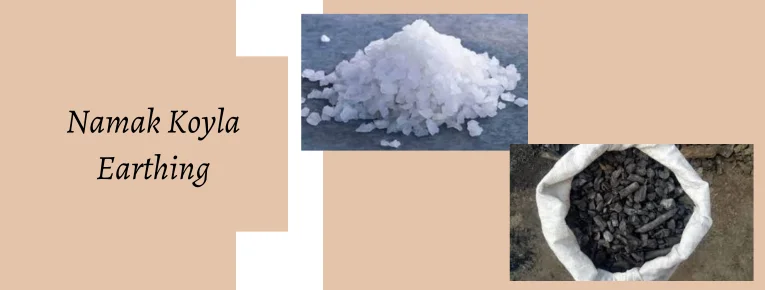
- High-purity industrial salt
- Hardwood charcoal for better conductivity
- Quality GI and copper pipes
- Technical installation support
Practical Tips for Installation
To achieve better results from a namak koyla earthing system:
- Ensure the pit depth is at least 3 to 4 feet.
- Use high-quality salt and dry charcoal to avoid contamination.
- Place layers of salt and charcoal alternately around the electrode.
- Pour water after installation to activate the materials and improve conductivity.
- Cover the earthing setup with an inspection chamber for easy maintenance.
Regular maintenance is crucial-replenishing the salt and charcoal annually helps retain low resistance.
Material Quality Matters
The effectiveness of a salt-charcoal earthing pit greatly depends on the quality of the materials used:
- Low-grade salt can contain impurities that reduce conductivity.
- Wet or impure charcoal can break down faster and degrade performance.
That's why Akaaltech only supplies clean, industrial-grade salt and kiln-burnt charcoal to ensure lasting conductivity.
Environmental Considerations
Though namak koyla earthing is affordable, it isn't environmentally ideal due to potential salt leaching. For eco-sensitive zones, consider switching to maintenance-free options using backfill compounds like bentonite.
Still, in many parts of India where budget takes priority, this traditional method serves its purpose efficiently if maintained properly.
Contact Us
Have questions or need a custom quote for your earthing requirements? Our team at Akaaltech is here to assist you with expert guidance, bulk pricing, and fast delivery options. Whether you're planning a large-scale project or need immediate supply, we're just a call or message away.
Reach out today to discuss your Namak Koyla Earthing, Copper Pipe Earthing, GI Pipe Earthing, or Mix Copper Earthing needs-we'll ensure timely support, technical clarity, and dependable service across India.
PAN India Supply for Namak Koyla Earthing
Akaaltech is a trusted Namak Koyla Earthing manufacturer in Delhi NCR, supplying reliable and efficient salt and carbon-based earthing solutions for enhanced soil conductivity. Our Namak Koyla earthing systems are ideal for solar installations, telecom infrastructure, and heavy-duty industrial projects that demand consistent grounding performance.
We offer fast dispatch and bulk order support to all key Indian cities, including:
Mumbai, Ahmedabad, Chennai, Kolkata, Surat, Pune, Jaipur, Kanpur, Lucknow, Alwar, Nagpur, Indore, Thane, Bhopal, Visakhapatnam, Pimpri-Chinchwad, Patna, Vadodara, Ludhiana, Agra, Nashik, Meerut, Rajkot, Kalyan-Dombivli, Vasai-Virar, Varanasi, Srinagar, Aurangabad, Dhanbad, Amritsar, Navi Mumbai, Prayagraj, Howrah, Ranchi, Jabalpur, Gwalior, Coimbatore, Vijayawada, Jodhpur, Madurai, Raipur, and Kota.
No matter your location, Akaaltech ensures dependable delivery and consistent product quality for all your Namak Koyla, salt, carbon, and koyla earthing needs-powered by PAN India logistics and expert support.
FAQ
Q1. How long does a namak koyla earthing last?
Typically 4 to 6 years depending on soil and maintenance.
Q2. Can I use it for residential homes?
Yes, for small houses or low-load requirements.
Q3. How deep should the pit be?
Usually 3 to 4 feet depending on electrode length.
Q4. Is this method legal or approved?
It's still accepted in some places, but not suitable for modern industrial safety norms.
Q5. Can I improve this system?
Yes, by adding bentonite or upgrading to copper-bonded rods for durability.
Q6. How much salt and charcoal is needed?
Roughly 10-15 kg each for a standard earthing pit, depending on pit size and soil condition.
Q7. Is this method suitable for all seasons?
It may lose effectiveness in extremely dry or rocky areas where moisture retention is low.
Q8. Can I mix chemical compound with this method?
Yes, some users add backfill compounds along with salt and charcoal for improved conductivity.