Earthing & Lightning Protection Systems in Aurangabad

Earthing and lightning protection systems in Aurangabad are used to safely discharge fault currents and lightning strikes into the ground, protecting personnel, machinery, and electrical installations across industrial, commercial, and institutional projects. In a city built around basaltic rock and mixed black-cotton soil, getting earthing design and lightning protection right the first time is a technical decision, not a checklist item.

Akaaltech manufactures earthing electrodes, chemical earthing systems, cable trays, and IS/IEC 62305-compliant lightning protection systems, and supports Aurangabad projects with site assessment, technical drawings, and installation guidance. Request a quotation or share your project drawings for a design recommendation.

What Are Earthing and Lightning Protection Systems?

An earthing (grounding) system connects the non-current-carrying metal parts of an electrical installation — panels, enclosures, structural steel — to the earth through a low-resistance path. Its job is to route fault current safely away from equipment and people the moment insulation fails or a short circuit occurs.

A lightning protection system is a separate but related discipline. It intercepts a direct lightning strike using an air terminal, carries the strike current down through a conductor, and dissipates it into an earthing network designed to handle very high transient currents without flashover. Both systems are engineered together on most industrial and commercial projects, since a lightning protection system is only as effective as the earth pit it terminates into.

Lightning Protection System

Why Aurangabad Projects Need Purpose-Built Earthing Design?

Aurangabad sits on the Deccan trap, a basalt rock formation, with pockets of black-cotton soil across the district. Both conditions push earth resistivity higher than what standard copper or GI rods are designed for on their own:

Soil Condition Typical Resistivity Range Practical Implication
Black-cotton clay (common in Marathwada) ~300–600 Ω·m Resistivity shifts sharply between monsoon and summer; standard rods may need supplementing
Weathered basalt / rocky strata Can exceed 1,000 Ω·m Deep pits or chemical backfill usually required to reach a workable earth resistance
Moist Subsoil Near River Basins Considerably Lower Achievable with conventional GI or copper electrodes

For an electrical contractor or MEP consultant working on a factory, hospital, or data centre in Aurangabad, this means the earthing design has to start with an actual soil resistivity reading, not a standard drawing copied from another city. Akaaltech's technical team reviews soil test data (or arranges soil resistivity measurement) before recommending electrode type, pit depth, and backfill compound, so the delivered earth resistance holds up through both the monsoon and the dry season.

Applications Across Aurangabad's Industrial and Commercial Base

Akaaltech supplies and installs earthing and lightning protection systems for:

  • and auto-component manufacturing units in Waluj MIDC
  • Pharmaceutical and chemical plants in Chikalthana MIDC
  • Upcoming and expanding units in Shendra MIDC and the Shendra–Bidkin (AURIC/DMIC) industrial corridor
  • Hospitals and diagnostic centres requiring sensitive-equipment earthing
  • IT and BPO office parks
  • Warehouses and logistics parks along the Aurangabad–Jalna and Aurangabad–Paithan corridors
  • Telecom towers and substations
  • Educational campuses and government buildings
  • Solar installations on factory rooftops and open sites
  • Residential townships and commercial complexes

If your project sits in any of these categories, share the location and load details, and Akaaltech's team can recommend a system sized to the site.


Products for Aurangabad Projects

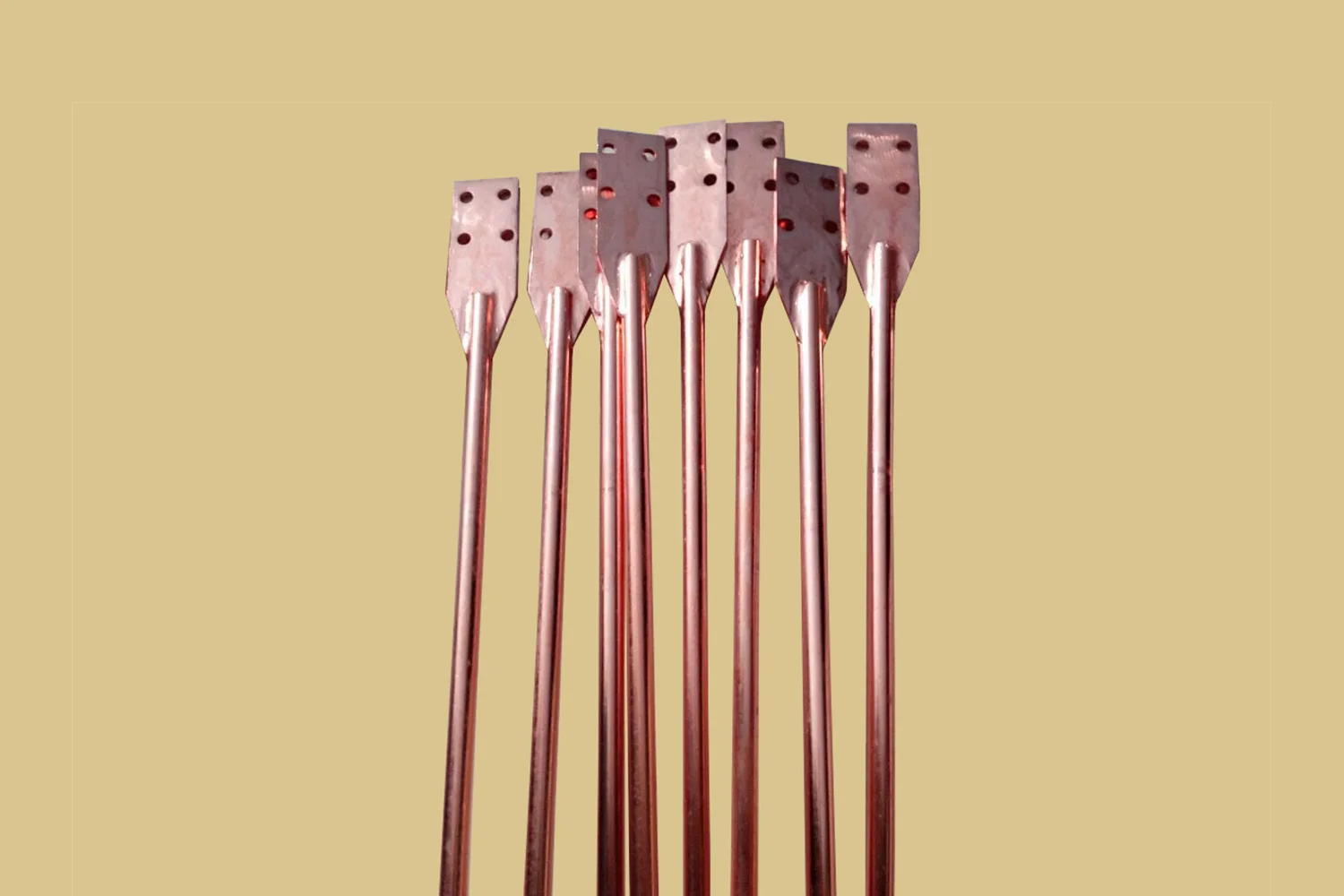
Earthing Electrodes and Rods


Earthing Materials and Accessories


Lightning Protection Systems


Services

Installation Process for Aurangabad

01

Site and soil assessment

soil resistivity measurement at the proposed earth pit locations, ideally at more than one point on larger sites.

02

System design

electrode type, pit depth, number of pits, and backfill compound selected based on target earth resistance and available space.

03

Excavation and electrode placement

pit dug to design depth; electrode (rod, pipe, or plate) positioned and backfilled with compound or enhancement material.

04

Bonding and interconnection

earth pits bonded to each other and to the structure using GI/CU strips or exothermic welds.

05

Testing

earth resistance measured using the fall-of-potential or clamp method and compared against the design target.

06

Documentation and handover

test reports, drawings, and maintenance guidance issued for the client's records and compliance file.

For lightning protection, the same site assessment feeds into air terminal placement and down-conductor routing, followed by installation, bonding to the earthing network, and strike-counter commissioning where specified.

How to Select the Right Earthing System for Aurangabad?

  • Start with a soil resistivity reading. Guessing at electrode type before testing is the single most common cause of underperforming earth pits in this region.
  • Match electrode type to soil.Chemical earthing or enhancement compound for rocky/high-resistivity zones; standard GI or copper rods where soil is favourable.
  • Size for the load, not just the standard minimum. Substations and data centres typically need lower earth resistance than a general commercial building.
  • Factor in maintenance access. Maintenance-free electrodes suit sites where periodic watering of conventional pits isn't practical.
  • Confirm bonding to structural steel and lightning protection. An earthing system and an LPS sharing a common, well-bonded earth network perform more reliably than two separate, poorly connected systems.
  • Ask for the test report, not just the installation. A completed earth pit without a measured resistance value is not a verified installation.

Standards and Compliance

Akaaltech's earthing and lightning protection systems are designed with reference to IS 3043 (earthing code of practice) and IS/IEC 62305 (protection against lightning). Documentation such as datasheets and test reports is available on request for project compliance files. Akaaltech holds MSME registration and a Quality Management System certificate, along with performance certificates from past projects; copies are available on the Certificates page or on request during the enquiry process.


Why Choose Akaaltech for Aurangabad Projects?

  • In-house manufacturing: Products are manufactured at Akaaltech's facility and R&D office in Faridabad, allowing consistent quality control across batches.
  • Founder-led technical background: Akaaltech was founded in 2012 by Engineer Manmohan Singh, with the company's product range built around earthing, lightning protection, ground monitoring, and surge protection systems.
  • Project track record: Akaaltech has supplied earthing and lightning protection products and services on a large number of completed projects across India.
  • PAN-India supply with local project support: Materials, technical drawings, and installation support are coordinated for Aurangabad sites from initial enquiry through commissioning.
  • Documentation on request: Datasheets, compliance references, and test reports are provided to support your project file.

Industries Served in Aurangabad

Automotive and auto-component manufacturing, pharmaceuticals and chemicals, engineering and metal fabrication, hospitals and healthcare facilities, IT/ITES offices, warehousing and logistics, education, telecom infrastructure, solar EPC, and government and infrastructure projects.


Areas We Serve Near Aurangabad

Waluj MIDC, Chikalthana MIDC, Shendra MIDC (including the Shendra–Bidkin/AURIC corridor), Paithan MIDC, CIDCO areas, Aurangabad city centre and cantonment areas, and surrounding towns including Jalna, Paithan, Gangapur, and Vaijapur.

FAQs

1. Which earthing system works best for rocky or basaltic soil in Aurangabad?

Chemical earthing electrodes with a conductive backfill compound generally perform better than plain driven rods once soil resistivity in Aurangabad exceeds around 300–500 Ω·m, which is common in basaltic and black-cotton zones.

2. Does Akaaltech supply lightning protection systems in Aurangabad that meet IS/IEC 62305?

Yes. Akaaltech's conventional and ESE lightning protection systems for Aurangabad are designed with reference to IS/IEC 62305, covering air terminals, down conductors, and the earth termination network.

3. How is earthing pricing calculated for a project in Aurangabad?

Pricing depends on soil resistivity results, number of earth pits required, electrode type, and site accessibility. Share your project drawings or site details for a specific quotation.

4. Can Akaaltech test soil resistivity before recommending an earthing system for Aurangabad?

Yes, soil resistivity measurement using the Wenner four-point method is offered as a standalone service or as part of a full earthing design and installation project.

5. What is the difference between conventional and chemical earthing for Aurangabad sites?

Conventional earthing uses a driven rod or plate directly in soil. Chemical earthing surrounds the electrode with a conductive compound, which holds resistance lower and more stable, particularly useful in Aurangabad's rocky or clay-heavy locations.

6. Does Akaaltech install earthing and lightning protection systems, or only supply materials, in Aurangabad?

Both. Akaaltech supplies products and also offers installation of earthing systems and installation of lightning protection systems, with site execution and testing included.

7. How often should an earthing system in Aurangabad be tested?

Earth resistance is generally checked at commissioning and then periodically as part of a health assessment, particularly before monsoon when soil moisture (and therefore resistivity) shifts.

8. Is maintenance-free earthing suitable for factories in Waluj or Chikalthana MIDC?

Yes. Maintenance-free earthing electrodes are commonly specified where regular pit watering isn't practical, which applies to many multi-shift industrial units in these zones.

9. Can Akaaltech audit an existing lightning protection system in Aurangabad for compliance?

Yes, the Lightning Protection System Audit service checks an installed LPS against IS/IEC 62305 requirements and flags any gaps in bonding, air terminal coverage, or earth termination.

10. Does Akaaltech provide earthing solutions for hospitals and data centres in Aurangabad?

Yes. Hospitals, data centres, and other sensitive-equipment sites typically need lower earth resistance and sometimes a dedicated EMI/EMC study, both of which Akaaltech supports.

11. What documentation is provided with an earthing or lightning protection project in Aurangabad?

Test reports, technical datasheets, and compliance references are provided as part of project handover, and certificates are available on request.

Get a Quotation for Your Aurangabad Project

Share your site location, load requirements, or project drawings, and Akaaltech's technical team will recommend an earthing or lightning protection system sized to your soil conditions and building type.

  • Request a quotation
  • Talk to our engineer
  • Share your BOQ or project drawings
  • Schedule a soil resistivity assessment
  • Ask about bulk pricing for multi-site projects

Phone: +91-9999631369, +91-9999281369 Email: akaaltech@gmail.com

whatsapp icon